Author: Jerrod Chong
-
5 Reasons to Upgrade Your Web Authentication to WebAuthn Authentication has made significant progress over the past five years. It has matured beyond passwords with the introduction of a variety of two-factor authentication methods, and most recently, we have the advent of passwordless logins with WebAuthn, the new global standard for web authentication. WebAuthn now sets a new bar for user authentication and is […] Read more -
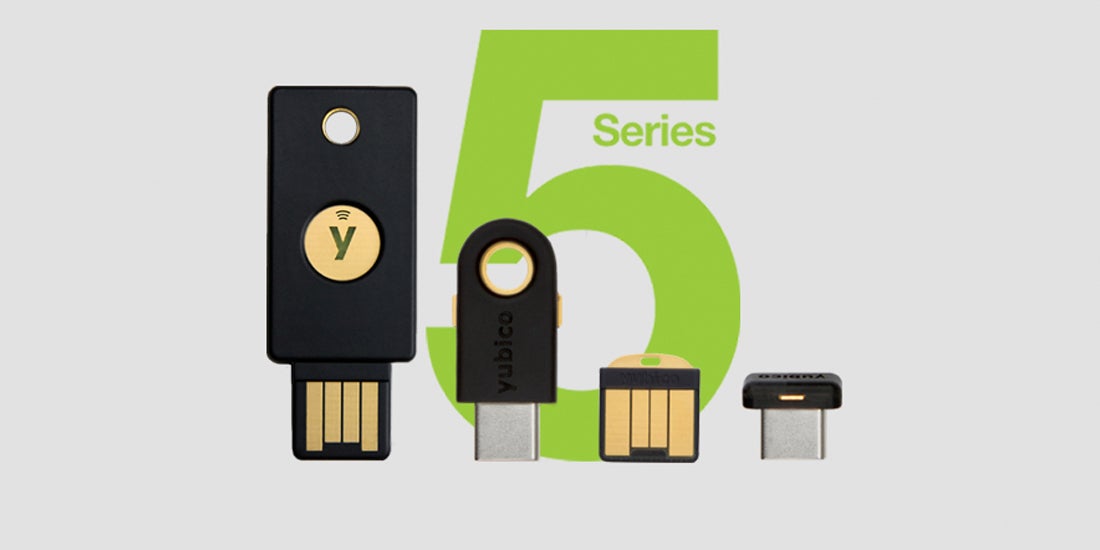
Introducing the YubiKey 5 Series with New NFC and FIDO2 Passwordless Features Today, we are announcing some exciting news that we know you’ve all been waiting for. The 5th generation YubiKey has arrived! Our new YubiKey 5 Series is comprised of four multi-protocol security keys, including two much anticipated new features: FIDO2 / WebAuthn and NFC (near field communication). The YubiKey 5 Series is the industry’s first […] Read more -

Yubico Extends Mobile SDK for iOS to Lightning Earlier this year, Yubico announced a Mobile SDK for iOS to enable Yubico OTP authentication over NFC on iPhones. Today, we are pleased to announce that we are extending the Yubico Mobile SDK to enable rapid implementation of FIDO U2F over a lightning connection for iOS apps. We invite developers to join the Yubico Lightning […] Read more -
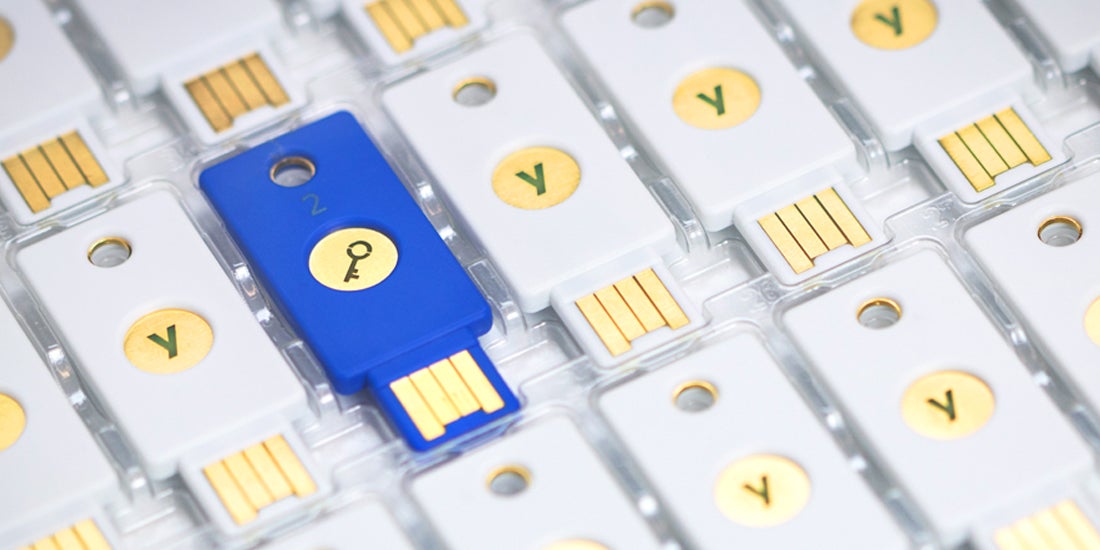
One Step Closer to Passwordless Login with Microsoft Edge Support for FIDO2 & WebAuthn The industry moved one step closer to passwordless login with this week’s Microsoft announcement that starting with Microsoft Edge build 17723, the browser will support FIDO2 strong first-factor and multifactor passwordless login, and second-factor authentication. Now, with Chrome, Firefox, and Edge all engaged to support WebAuthn, we have two-thirds of all major web browsers backing […] Read more -

Things You’ve Been Wondering About a Passwordless World Armed with a mission to deliver a more secure internet, Yubico has been working closely with Microsoft, Google, the FIDO Alliance and W3C to create and drive open standards that pave the way for the future of passwordless login. The FIDO2 standard is the new standard enabling the replacement of weak password-based authentication with strong […] Read more -

Now available! FIPS 140-2 validated YubiKey series Today, we’re excited to announce the certification and availability of our YubiKey FIPS series, the first multi-protocol FIPS 140-2 validated security keys. FIPS 140-2 is a US government computer security standard, published by the National Institute of Standards and Technology (NIST), that covers the use of cryptographic functionality such as encryption, authentication, and digital signatures. […] Read more -

How to Navigate FIDO U2F in Firefox Quantum Firefox Quantum is the latest internet browser to natively support FIDO Universal 2nd Factor (U2F) devices, and we couldn’t be more thrilled to see this advancement! With Mozilla jumping on board, millions of Firefox users can now begin to experience the ease-of-use and security of the YubiKey and U2F authentication…with one small caveat. FIDO U2F […] Read more -

iPhone support for YubiKey OTP via NFC Will my YubiKey NEO work on iPhones now that iOS 11 added some NFC support? It’s a fair question – one that we’ve been getting a lot of. This blog explains some of the details about iPhone support for YubiKey OTP to help bring some clarity to YubiKey users. First, it’s important to understand the […] Read more -
NIST publishes new authentication standards, FIDO U2F achieves AAL3 After a year of review, the National Institute for Science and Technology (NIST) today released version 3 of its latest digital identity guidelines, outlining a number of updates that play to the multi-protocol functionality of the YubiKey. NIST Special Publication 800-63 Revision 3 covers guidelines on identity proofing and authentication of users (such as employees, […] Read more -

Future of FIDO Authentication demonstrated by Microsoft at CIS Microsoft unveiled a major FIDO milestone today at the Cloud Identity Summit (CIS) by demonstrating an early implementation of a FIDO 2-based passwordless login on a Microsoft Windows 10 computer through Azure Active Directory (AAD) using a YubiKey. For the demonstrated login flow, the user inserted and touched the YubiKey, using AAD to instantly authenticate […] Read more